It’s not just protein that builds muscle. Check out 5 foods that are not sources of this nutrient but are essential for those who aim for hypertrophy.
Gaining lean mass is not an easy task. You have to combine training and diet with a lot of dedication, discipline and knowledge.
When it comes to gaining muscle, most people focus solely on protein, leaving other macro and micronutrients aside.
This is a big mistake – without paying attention to other nutrients, you will hardly gain mass.
For example, if you don’t consume fat and carbohydrates, your body will use your muscles as a source of energy, causing you to lose everything you’ve achieved.
That’s why I’ve separated here a list of some foods that are not primarily sources of protein, but will help you gain lean mass.
- Avocado
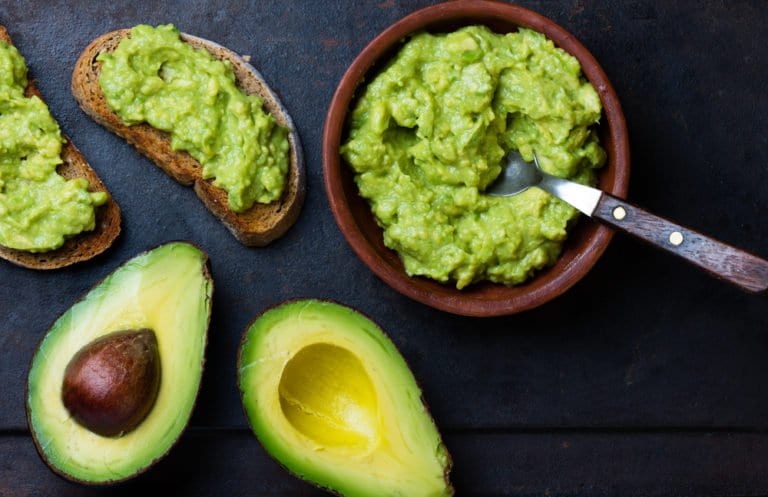
Avocados add healthy calories to your diet, which will help you reach your daily calorie goal in a positive way.
And if you want to grow, that goal is probably too high.
In addition, this fruit is rich in good fats, which are essential not only for hypertrophy, but also for fat burning.
Avocado is still rich in potassium and several other essential nutrients for those who train.
Just remember that, as it is caloric, it should be consumed carefully, without exaggeration.
2- Quinoa
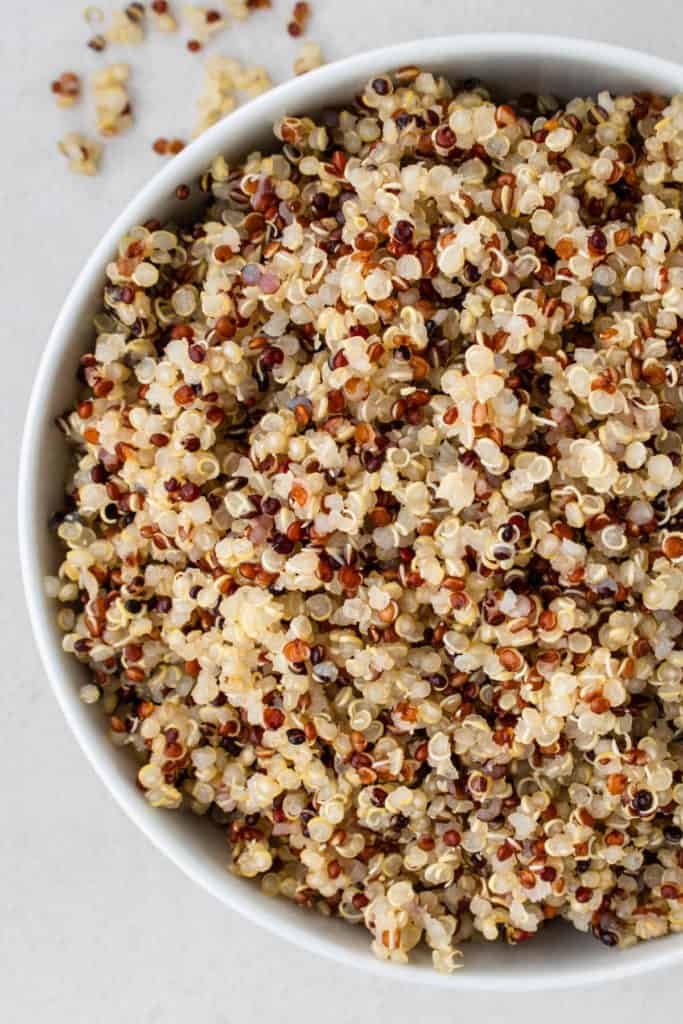
Quinoa, originally from South America and cultivated mainly in the Andes region, It has a high starch content (from 52% to 60% of the grain weight) and excellent protein quality. Studies have shown that quinoa is one of the few plant foods that provide a balanced composition of essential amino acids. Essential amino acids are those that the body cannot synthesize (produce) and therefore must be included in the diet.
In addition, quinoa is considered one of the most complete and balanced foods and stands out for its high nutritional value, rich in highly digestible protein, high lipid content, mainly unsaturated fatty acids, vitamins E and C, B vitamins and minerals. such as potassium, calcium, magnesium, phosphorus, iron and zinc.
Because it has a low glycemic index and is rich in fiber, quinoa stimulates chewing, reduces gastric emptying and increases the feeling of satiety, delaying hunger. In this way, it can be used in meal plans and included in the daily diet, helping to promote healthy eating habits.
How to consume
Quinoa can be consumed in the form of flour, flakes or grains. The grains can be used in food production and also be consumed in a similar way to boiled rice, or in soups, yogurt and salads, or ground into flour.
The suggestion is to wash the quinoa grain in cold water and, whenever possible, eat it cooked, as it reduces the content of phytates and saponins, and facilitates the digestive process.
Tips:
• The grains must be washed before consumption to remove the saponins, which are in the outer layer of the grain, giving it a bitter taste.
• Quinoa usually cooks between 15 and 20 minutes. So, for better use of its nutrients, add little water for cooking.
• In domestic use, the most consumed form of the grain is cooked in water, using the same method of preparation of rice, it can be seasoned before or after cooking, and can also be added to salads, soups and sauces
• The flour derived from the grain can be used in the preparation of porridges, puddings, breads, pancakes, cookies and drinks
• Quinoa flakes can be consumed with fruits, in salads or added to juices
• Avoid eating too much raw quinoa as it can cause flatulence and abdominal discomfort (due to fiber), and can reduce the absorption of iron and zinc (due to the presence of anti-nutritional factors such as phytates)
3. Legumes
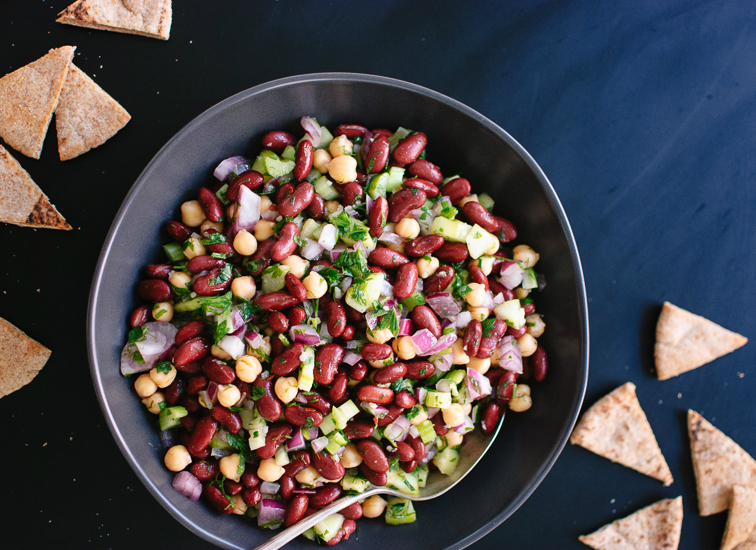
Legumes like beans and lentils also have good doses of protein.
In a smaller amount when compared to meat and eggs, but enough to increase the intake of this macronutrient.
In addition, this type of food is rich in fiber, which will improve the functioning of your gastrointestinal system.
To top it off, they are rich in essential vitamins and minerals for health and, even more, for an athlete’s body.
Vitamin E, iron and magnesium, which are fundamental to muscle function, are there.
4 Potatoes
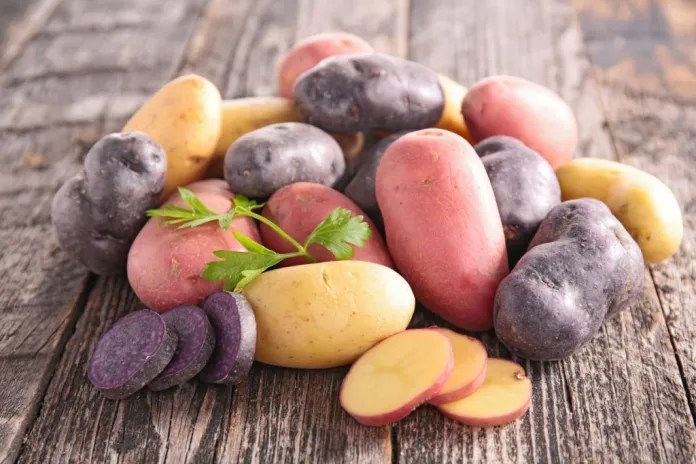
Potatoes are widely consumed by those who train and want to gain muscle mass, as it is a source of carbohydrate that is very easy to consume. Carbohydrate consumption is very important because it is the main source of energy and especially for those who want to gain muscle mass.
It helps to increase caloric consumption, avoids the catabolic state and favors the release of insulin – an anabolic hormone responsible for the entry of nutrients into the cells.
Potatoes have good nutritional properties: as a large amount of water, dietary fiber and is an important source of carbohydrates for everyday life. In addition, it contains vitamins, potassium, calcium, iron, magnesium, manganese and zinc.
5 Fruits and Vegetables
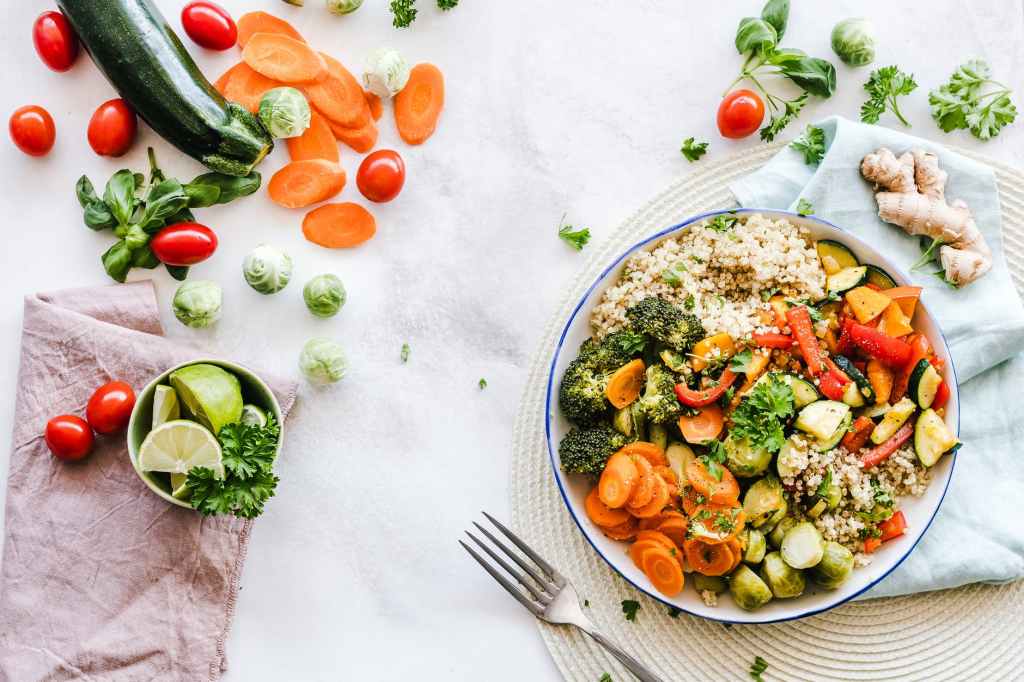
It may seem obvious, but including fruits and vegetables in your daily diet can bring a number of benefits to your health and muscle mass gain.
Fruits and vegetables have the minerals and vitamins your body needs to function well and are also rich in antioxidants. These antioxidants protect you from various diseases.
Check out some of the main reasons they are on this list.
Fiber Source
Excellent source of fiber which is good for healthy digestion. They also help in lowering your cholesterol. Eating veggies will keep you full, helping you to reduce your cravings for junk food at off-hours. This will automatically, in turn, help you lose weight.
Vitamins and Minerals
You should include vegetables in your diet because they provide many micronutrients, which are nutrients necessary for the maintenance of the body, although they are required in small amounts, from milligrams to micrograms.
This group includes vitamins and minerals. They are critical to your health, including: potassium, which helps maintain healthy blood pressure; calcium, which is important for pregnant women; vitamin A, excellent for the eyes; and vitamin C, which helps with iron absorption.
Low in fat and Calories
As fruits and vegetables are low in fat and calories, they help in maintaining a healthy weight. For example, if you consume 400 calories from foods that contain oil, it won’t make you feel full – you’ll be hungrier.
But if you fill your stomach with 400 calories from vegetables, your stomach will be filled with nutrient-dense foods, leaving little room for other foods to be consumed and feeling full. That’s why it’s important to consume vegetables for weight management and as part of a healthy diet.
You can eat your vegetables raw, cooked, frozen or canned. However, it is better to eat them fresh (eg salads), as they retain their nutritional composition.

 Delano Pinheiro