Food intolerances are a common issue that affects people of all ages. They occur when the body cannot digest or process certain foods, which can cause unpleasant symptoms and even health damage.
This can have a significant impact on one’s diet and nutrition since it may be necessary to restrict foods that are essential for physical performance, thereby affecting workout results as well.
In this article, you will learn what food intolerances are, their main consequences, and how to avoid the negative effects of this condition without having to give up foods you like or need.

What Does It Mean to Be Food Intolerant?
Being intolerant to a specific food means that your body cannot properly digest or process that particular food. In other words, consuming that food can lead to a variety of unpleasant and discomforting symptoms.
Food intolerance is a relatively common condition that can be related to the consumption of any food but is more associated with milk and wheat. This condition can affect people of all ages.
Intolerance is different from a food allergy. A food allergy is an immediate allergic reaction to certain foods, while intolerance is a delayed reaction that occurs after consuming large quantities of a specific food.
In general, food intolerances can be challenging to deal with and can disrupt a person’s entire diet and nutrition. Therefore, it is important to seek a proper diagnosis and initiate appropriate treatment for your intolerance.
What Causes Food Intolerance?
Although food intolerance is common, the causes are still unknown. Intolerance can manifest after consuming various types of foods quite suddenly, and it is crucial to identify the food that triggered it.
Food intolerance is generally considered a congenital condition, but it can also develop over one’s lifetime. However, there are some factors that can contribute to the development of food intolerance, such as:
- Increased intestinal permeability;
- Imbalance in the intestinal microbiome;
- Excessive bacterial overgrowth;
- Enzyme and nutritional deficiencies;
- Mast cell activation syndrome.
A good example is lactose intolerance, which is more common in adults, especially those with a deficiency in the enzyme responsible for digesting the sugar present in lactose. People with food allergies can also develop intolerance.
For example, if you have a peanut allergy, there is a chance that your body may develop intolerance related to peanuts, such as intolerance to foods containing peanut proteins, like nuts and sunflower seeds.

Common Food Intolerance Triggers
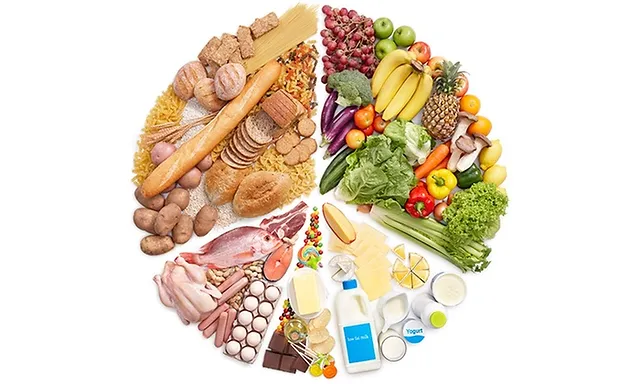
There are many items that can cause food intolerance. The most common ones are gluten-rich foods, dairy products, eggs, soy, peanuts, seafood, nuts, and seeds. These foods contain proteins that are difficult to digest.
Additionally, artificial sweeteners like aspartame and foods high in histamine levels, such as tomatoes, pickles, fermented foods, and foods rich in sulfites, like some wines and dried fruits, can also cause food intolerance.
Although much less common, some medications can also cause food intolerance. For example, some antibiotics can interfere with the digestion of certain foods, resulting in unpleasant symptoms.
Consequences of Food Intolerance in Daily Life
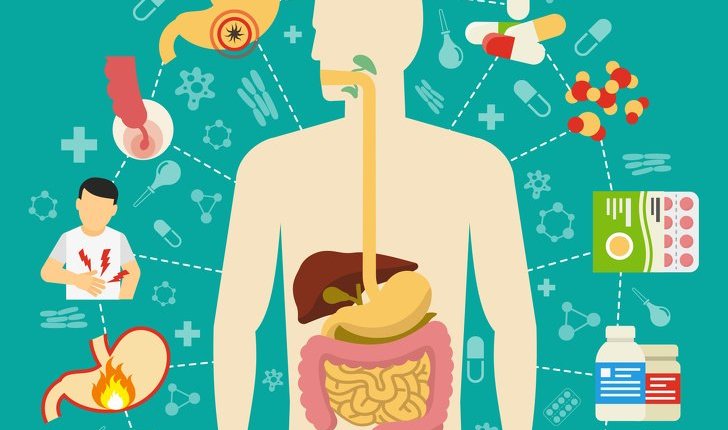
Food intolerance is a health issue that can have serious consequences for both mental and physical health in daily life. Some of the most common symptoms include:
- Stomach pains: The most common symptoms of food intolerance are stomach pains and abdominal discomfort. These symptoms are caused by consuming foods that the body cannot digest properly. There can be intense pain, bloating, diarrhea, gas, and nausea.
- Allergic reactions: Some people with food intolerance also develop allergic reactions to foods, such as rashes, itching, hives, eczema, and difficulty breathing.
- Mental health problems: Food intolerance can lead to brain fog, difficulty concentrating, as well as headaches or migraines. This may be due to constant worry about food intake.
- Digestive problems: Food intolerance can lead to digestive problems such as acid reflux, constipation, and diarrhea. This occurs because the body cannot absorb nutrients properly.
- Fatigue: People with food intolerance may also experience constant fatigue and excessive tiredness. This may be due to poor nutrient absorption and inflammation in the body.
- Physical discomfort: Food intolerance can also lead to muscle and joint pains, directly interfering with physical performance and exercise. Sinusitis or asthma-like symptoms are also common.
It is important to remember that food intolerance is a health problem and should be taken seriously to prevent worsening. If you suspect you are suffering from food intolerance, seek medical advice.
Is There a Cure or Treatment for Food Intolerance?
But, is there a cure or treatment for food intolerance? The answer is yes! Food intolerance is not necessarily permanent, and it is possible to treat this condition with specific medications and medical supervision.
The first step in dealing with food intolerance is to eliminate the consumption of the food that triggers the symptoms and, if possible, also avoid foods derived from it. This way, you can prevent the consequences and symptoms of intolerance.
The use of specific medications for each type of intolerance is also recommended. For example, if you have lactose intolerance and don’t want to stop consuming lactose-containing foods, you can use the enzyme lactase before consumption.
Therefore, food intolerance is a serious problem that can have serious consequences for mental and physical health in daily life. However, effective treatments are available to help alleviate symptoms and improve the quality of life for individuals.
How to Avoid Consequences Without Giving Up What You Love?
In addition to using enzymes and specific medications for your type of intolerance, one way to avoid the consequences of food intolerance without giving up what you love is to work on treating and healing the leaky gut.
When the gut is healthy, it can filter out foods that the body doesn’t tolerate, reducing symptoms of food intolerance. To do this, you need to follow a healthy diet and reduce the consumption of alcohol and foods rich in simple carbohydrates.
Food Intolerances and Their Consequences
In summary, food intolerances can cause serious symptoms and consequences, affecting nutrition and performance in physical exercises. The symptoms can be uncomfortable and even debilitating.
Therefore, it is crucial to seek medical advice and appropriate treatments for your intolerance, as well as maintain a healthy diet to avoid the effects of this condition and minimize the risk of developing it.
By doing this, you are taking care of yourself and your well-being, ensuring that your body receives the necessary nutrients to stay healthy and active, and maximizing your potential during workouts.
If you want to decrease bloating and water retention, you should definitely check out my 10 days detox program. I created the best strategy, easy to follow and practical to make you drop 17 pounds in the most natural way possible. Here’s the link: 10 DAYS DETOX
My online training is open and available to recruit new members. you will have an exclusive planning strategy made especially for your needs and goals. All through my exclusive app and support directly with me. DM me to know more about it.

 Delano Pinheiro