Starting a fitness and healthy eating routine with the goal of losing weight is a great way to improve your health and feel better about your body in the context of American fitness culture.
However, it’s important to remember that solely focusing on the number on the scale isn’t necessarily healthy.In this article, I’ll show you the reasons for weight fluctuations and how other factors, like body composition, can affect your progress and how you can shift your focus to other measures of success.If you’re ready to embark on your journey to health, then join me in discovering how not to get fixated on the scale weight.
Possible reasons for your weight gain
Weight gain can occur rapidly and unexpectedly and may be related to a decreased metabolism and fat accumulation. Understanding the potential reasons for weight gain can help you manage your weight and maintain your health:
Bloating due to heat or PMS: Heat and PMS can affect the body in various ways, one of which is bloating. Increased levels of female hormones can lead to water retention and, consequently, weight gain.Muscle glycogen accumulation: Glycogen is the primary fuel for muscles. When you engage in intense exercise, glycogen is used as energy, but when you don’t exercise, it can be stored in the muscles as fat.Constipation: Constipation is a condition that can lead to fluid and toxin retention, which can contribute to weight gain.Medication use: Some medications, like antidepressants, diabetes medications, and blood pressure medications, can cause weight gain.High sodium intake: Consuming sodium-rich foods can lead to water retention and, as a result, weight gain.
As you can see, there are various factors that can contribute to weight gain. It’s important to follow a balanced and healthy diet, avoid excessive sodium consumption, and engage in exercise to help control your weight and maintain your health.
How to identify if you’re losing weight even if the scale doesn’t change
You can be losing weight even if the scale isn’t showing it. There are other ways to measure your progress besides the scale. Below, I’ve listed some methods that can help you determine if you’re losing weight:
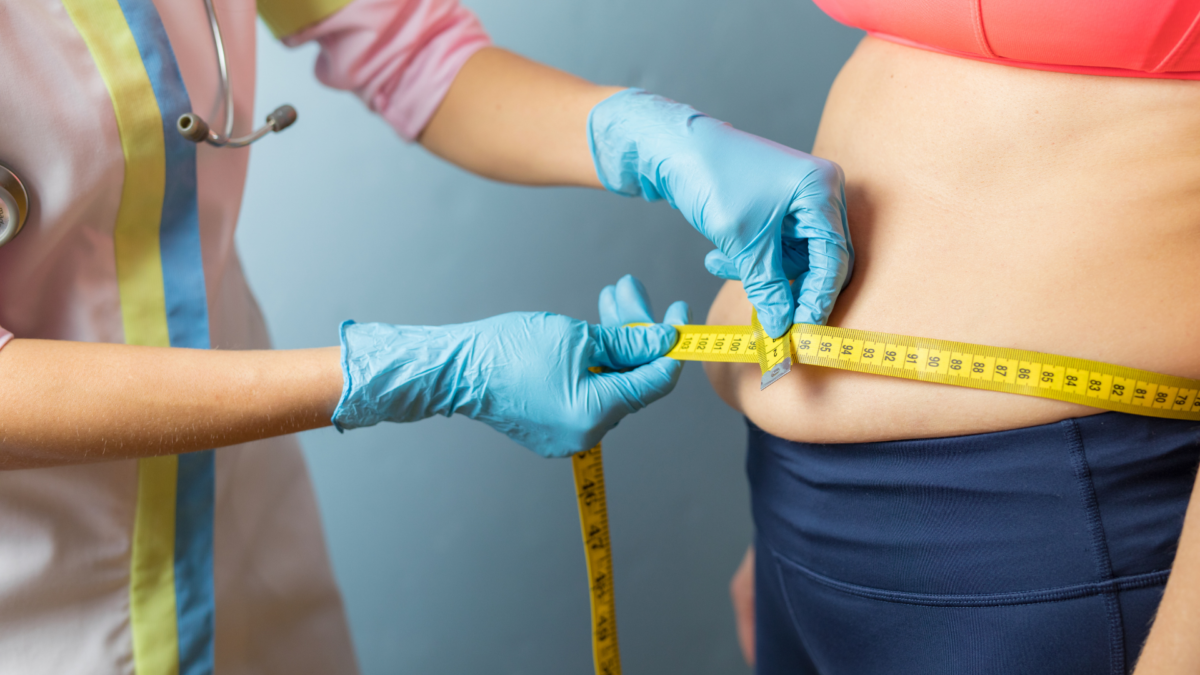
Take photos: Take pictures of yourself before starting your diet and exercise routine and then at weekly intervals. This way, you’ll have a visual record of your progress.Measure your body: Take measurements of your body, such as waist, hips, arms, legs, and neck. Record these measurements before beginning your diet and then weekly. This can help you determine if there have been any changes.Keep a food and exercise diary: Maintain a food diary, noting everything you eat and drink, and record all the exercises you do. This will help you understand what’s working and what’s not.Get blood and urine tests: Blood tests can measure your body fat levels, while urine tests can measure nutrient levels.Monitor your clothing: Pay attention to whether your clothes are fitting more loosely. If your clothes feel looser, even if the scale hasn’t budged, it’s a sign you’re losing weight.
Therefore, there are several ways to identify if you’re losing weight, even if the scale isn’t changing. Keep track of your progress and observe the changes to ensure you’re on the right path.
Variations throughout the day are normal
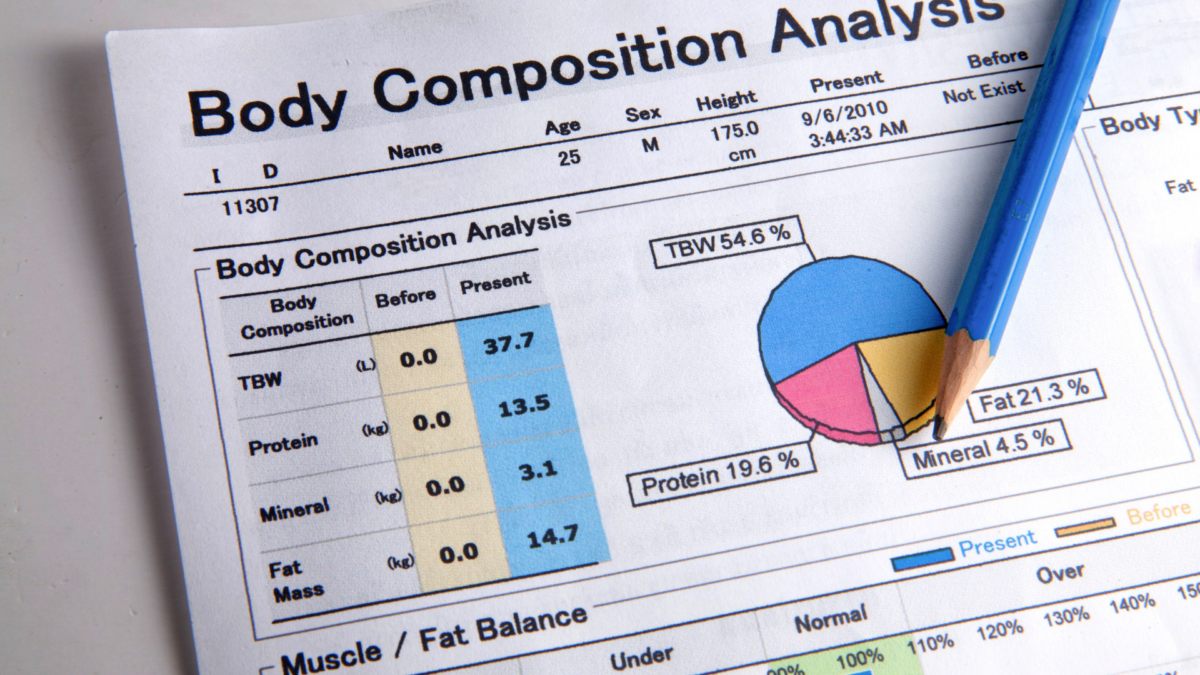
In addition to the scale, determining body composition is essential for evaluating your weight loss progress.The amount of body fat and its distribution in the body are associated with various metabolic changes, such as blood pressure, lipid imbalances, glucose intolerance, and insulin resistance, which contribute to an increased risk of cardiovascular problems.It’s important to note that variations throughout the day are normal. Your weight can fluctuate by up to 2 kg during the day, depending on factors such as fluid intake, food consumption, physical activity, and other factors.For more reliable results, it’s essential to measure body composition at the same time, using the same equipment, and under similar conditions.In summary, to determine if you’re losing weight, it’s important to consider body composition and account for normal weight fluctuations throughout the day. This will provide a more accurate assessment of your weight loss progress.
Don’t get fixated on the scale weight
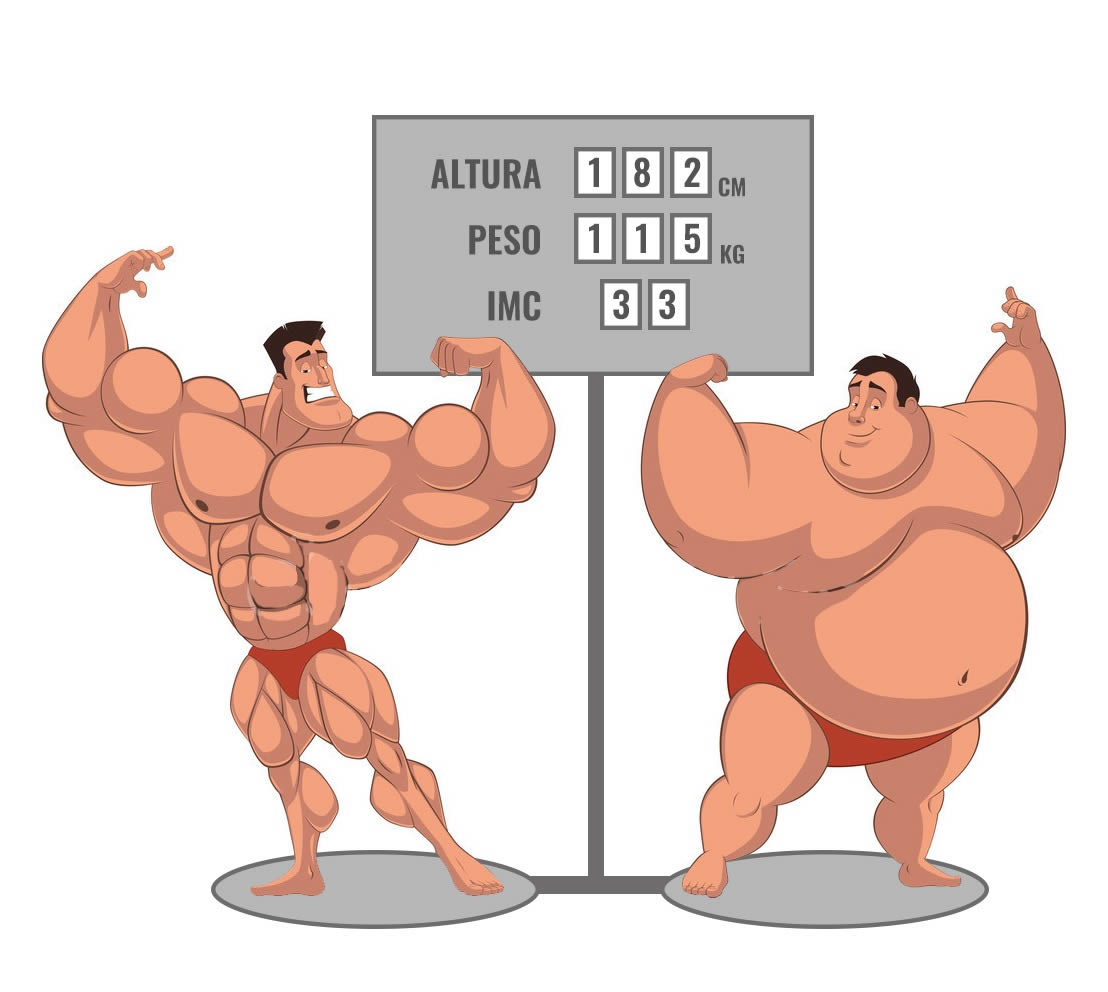
In conclusion, it’s crucial for everyone to understand that the number on the scale is not the sole measure of progress in a weight loss journey.You should pay attention to other factors like clothing size, body composition, muscle strength, and more.It’s essential to consider the potential reasons for weight gain, comprehend and account for normal weight fluctuations during the day, and explore methods beyond the scale to determine if you’re losing weight.I emphasize that to achieve satisfying results in your fitness journey, it’s not necessary to fixate on the scale weight, and it’s not healthy to focus solely on this metric.If you want to decrease bloating and water retention, you should definitely check out my 10 days detox program. I created the best strategy, easy to follow and practical to make you drop 17 pounds in the most natural way possible. Here’s the link: 10 DAYS DETOX My online training is open and available to recruit new members. you will have an exclusive planning strategy made especially for your needs and goals. All through my exclusive app and support directly with me. DM me to know more about it!

 Delano Pinheiro